Hantavirus in the Headlines: How to Protect Your Home and Family from Rodent Exposure
Recent international concern surrounding hantavirus outbreaks — including reports tied to the Andes strain aboard a cruise ship — has renewed public attention on the dangers associated with rodent exposure. While health officials stress that the overall risk to Canadians remains low, experts from the World Health Organization (WHO) and the Public Health Agency of Canada (PHAC) are reminding people that prevention starts at home.
For homeowners, the recent headlines also highlight the growing importance of professional rodent control and wildlife prevention services. Mice and rats are more than just a nuisance — they can create serious health risks when infestations are left untreated.
What Is Hantavirus?
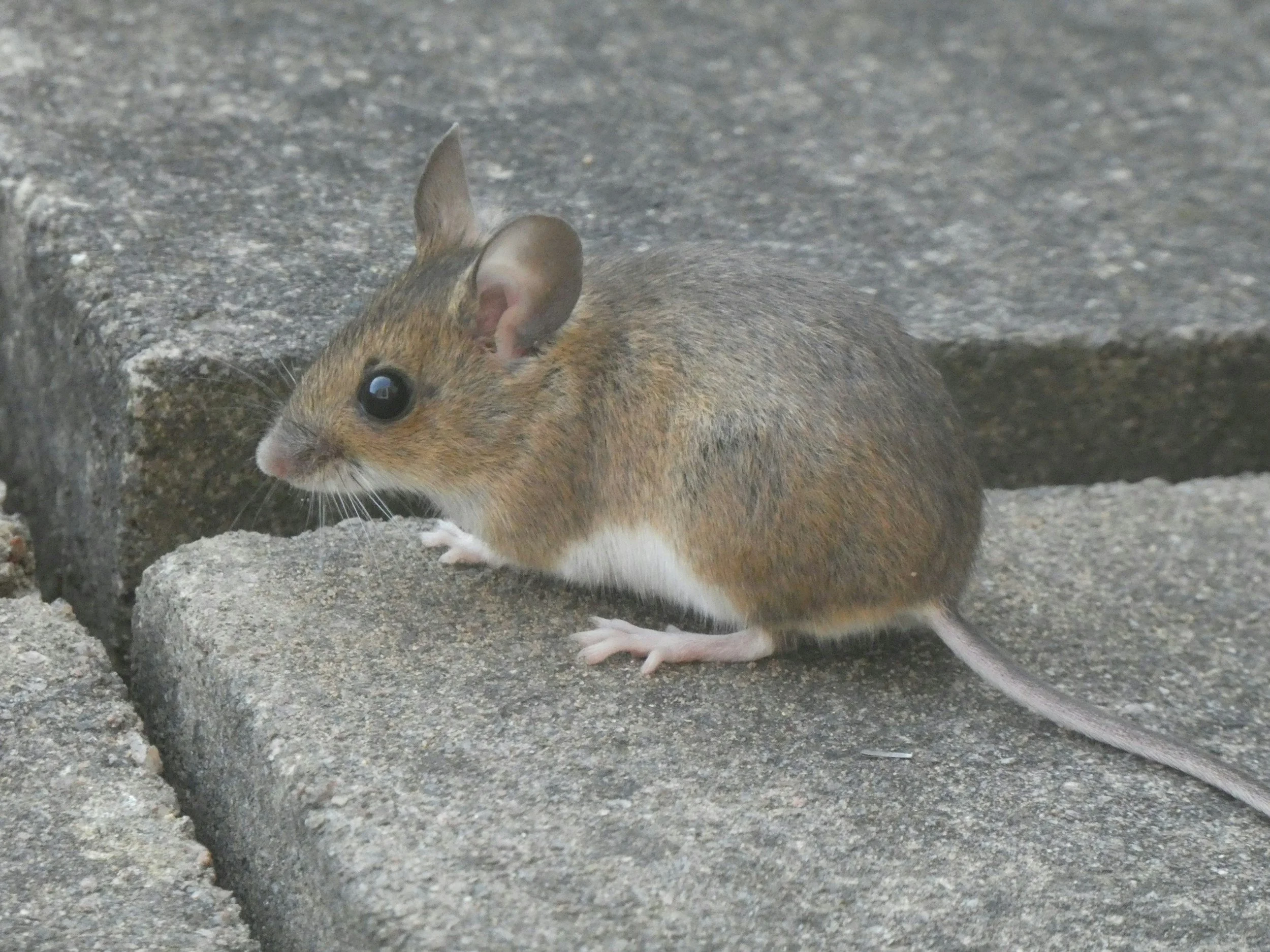
Hantaviruses are a group of viruses carried primarily by rodents. People can become infected when virus particles become airborne and are inhaled — often during cleaning activities in enclosed spaces contaminated by rodent droppings, urine, or saliva. In Canada, the disease is most commonly associated with deer mice carrying the Sin Nombre virus, which is not known to spread from person to person (Public Health Agency of Canada [PHAC], 2025).
In North America, hantavirus infection can lead to Hantavirus Pulmonary Syndrome (HPS), a rare but potentially severe respiratory illness. Early symptoms may resemble influenza and commonly include:
Fever and chills
Muscle aches
Fatigue
Headaches
Nausea and vomiting
Coughing
In serious cases, patients may develop shortness of breath and acute respiratory distress requiring hospitalization (PHAC, 2025).
Health officials recommend seeking immediate medical attention if flu-like symptoms develop following exposure to rodents or rodent droppings.
Why Rodent Prevention Matters
According to PHAC, rodent infestations in homes, garages, barns, sheds, cottages, and trailers remain the primary risk factor for hantavirus exposure in Canada. Seasonal properties are especially vulnerable because rodents often nest undisturbed during colder months (PHAC, 2025).
This is why proactive rodent prevention is essential. Wildlife control companies across Canada are seeing increased demand for mouse removal, rat control, attic inspections, and rodent-proofing services as homeowners become more aware of the health dangers associated with rodent infestations.
If you hear scratching in the walls, discover droppings in the attic, or notice signs of nesting around your property, early intervention can help prevent a small issue from becoming a major infestation.
How to Rodent-Proof Your Home
Canadian health authorities recommend focusing on exclusion, sanitation, and environmental management to reduce rodent activity.
1. Seal Entry Points
Mice can enter homes through surprisingly small gaps. Inspect for:
Openings around utility pipes
Cracks in foundations
Breather bricks
Damaged vents or screens
Gaps under doors and around windows
Seal holes using steel wool, steel mesh, metal flashing, or rodent-resistant sealants (PHAC, 2025). Proper repairs may be required. When blocking off breather bricks entry points, be sure to use steel mesh so that breathability is maintained.
Professional wildlife exclusion services can help identify hidden entry points that homeowners often miss, particularly around roofs, soffits, vents, chimneys, and crawl spaces.
2. Remove Food Sources
Rodents are attracted to easily accessible food and water. Reduce attractants by:
Storing food in sealed containers
Cleaning crumbs and spills promptly
Securing garbage bins with tight-fitting lids
Storing pet food properly
Outdoor bird feeders and compost should also be maintained carefully.
Proper sanitation is a critical component of long-term mouse and rat prevention.
3. Reduce Outdoor Shelter Areas
Rodents often nest in cluttered outdoor environments. Homeowners should:
Keep grass trimmed
Move firewood away from buildings
Remove debris and clutter from yards
Trim dense vegetation near foundations
(Saskatchewan Ministry of Health, 2025)
Overgrown landscaping and unsealed sheds can provide ideal nesting conditions for rodents and other nuisance wildlife.
4. Use Traps When Necessary
If signs of rodent activity are present, traps and pest-control measures should be implemented quickly. Small infestations can expand rapidly and increase contamination risks throughout attics, crawl spaces, and storage areas.
When in doubt, professional rodent removal companies can provide humane trapping, contamination cleanup, and full-home rodent exclusion solutions designed to prevent future infestations.
Never Sweep or Vacuum Rodent Droppings
One of the most important public health recommendations is to avoid dry sweeping or vacuuming rodent droppings.
Sweeping or vacuuming contaminated materials can aerosolize virus particles, increasing the risk of inhalation. Both PHAC and WHO guidance recommend wet-cleaning methods instead (World Health Organization [WHO], 2024; PHAC, 2025).
This is especially important during attic cleanups, crawl space restoration projects, and cottage openings where rodent contamination may have accumulated over time.
Safe Cleanup Guidelines for Rodent Contamination
If rodent droppings or nesting materials are discovered, health authorities recommend the following precautions:
Ventilate the area before cleaning by opening doors and windows.
Wear gloves. In heavily contaminated areas, use a properly fitted N95 respirator.
Spray droppings and nesting materials thoroughly with disinfectant or a bleach solution (1 part bleach to 9 parts water).
Allow the disinfectant to soak for at least 10 minutes.
Wipe up materials using paper towels or disposable cloths.
Place waste in sealed plastic bags before disposal.
Wash hands thoroughly after cleanup.
(PHAC, 2025; WHO, 2024)
In cases of significant contamination, homeowners may benefit from professional wildlife cleanup and attic restoration services to safely remove hazardous materials and disinfect affected areas.
When to Call a Wildlife Control Professional
While minor rodent issues can sometimes be handled independently, larger infestations often require professional assessment and exclusion work.
Homeowners should consider contacting a wildlife control company if they notice:
Repeated mouse or rat activity
Scratching sounds in walls or ceilings
Strong odours from hidden nesting areas
Rodent droppings in attics, basements, or garages
Damage to insulation or wiring
Evidence of entry points around the roofline or foundation
A professional rodent control inspection can identify the source of the infestation and help prevent recurring problems through comprehensive exclusion and prevention strategies.
Final Thoughts
Although hantavirus infections are rare, they can become life-threatening very quickly. Prevention remains the most effective strategy.
By sealing entry points, reducing rodent attractants, and following proper cleanup procedures, homeowners can significantly reduce the risk of exposure to hantavirus and other rodent-borne illnesses.
As public health officials continue monitoring global outbreaks, maintaining strong rodent prevention practices at home remains one of the simplest and most effective ways to protect your household.
For homeowners dealing with persistent mouse or rat problems, working with an experienced wildlife control company can provide long-term peace of mind through professional rodent removal, exclusion, and contamination cleanup services.
References
Public Health Agency of Canada. (2025). Hantaviruses and hantavirus pulmonary syndrome. Government of Canada. Retrieved from https://www.canada.ca/en/public-health/services/diseases/hantaviruses.html
Public Health Agency of Canada. (2025). Prevention of hantavirus infection. Government of Canada. Retrieved from https://www.canada.ca/en/public-health/services/diseases/hantaviruses/prevention-hantavirus-infection.html
Public Health Agency of Canada. (2025). Symptoms of hantavirus infection. Government of Canada. Retrieved from https://www.canada.ca/en/public-health/services/diseases/hantaviruses/symptoms-hantavirus-infection.html
World Health Organization. (2024). Hantavirus disease overview. World Health Organization. Retrieved from https://www.who.int
Saskatchewan Ministry of Health. (2025). Hantavirus information and prevention. Government of Saskatchewan. Retrieved from https://www.saskatchewan.ca/residents/health/diseases-and-conditions/hantavirus