
Maybe That’s Not Santa Coming Down Our Chimney
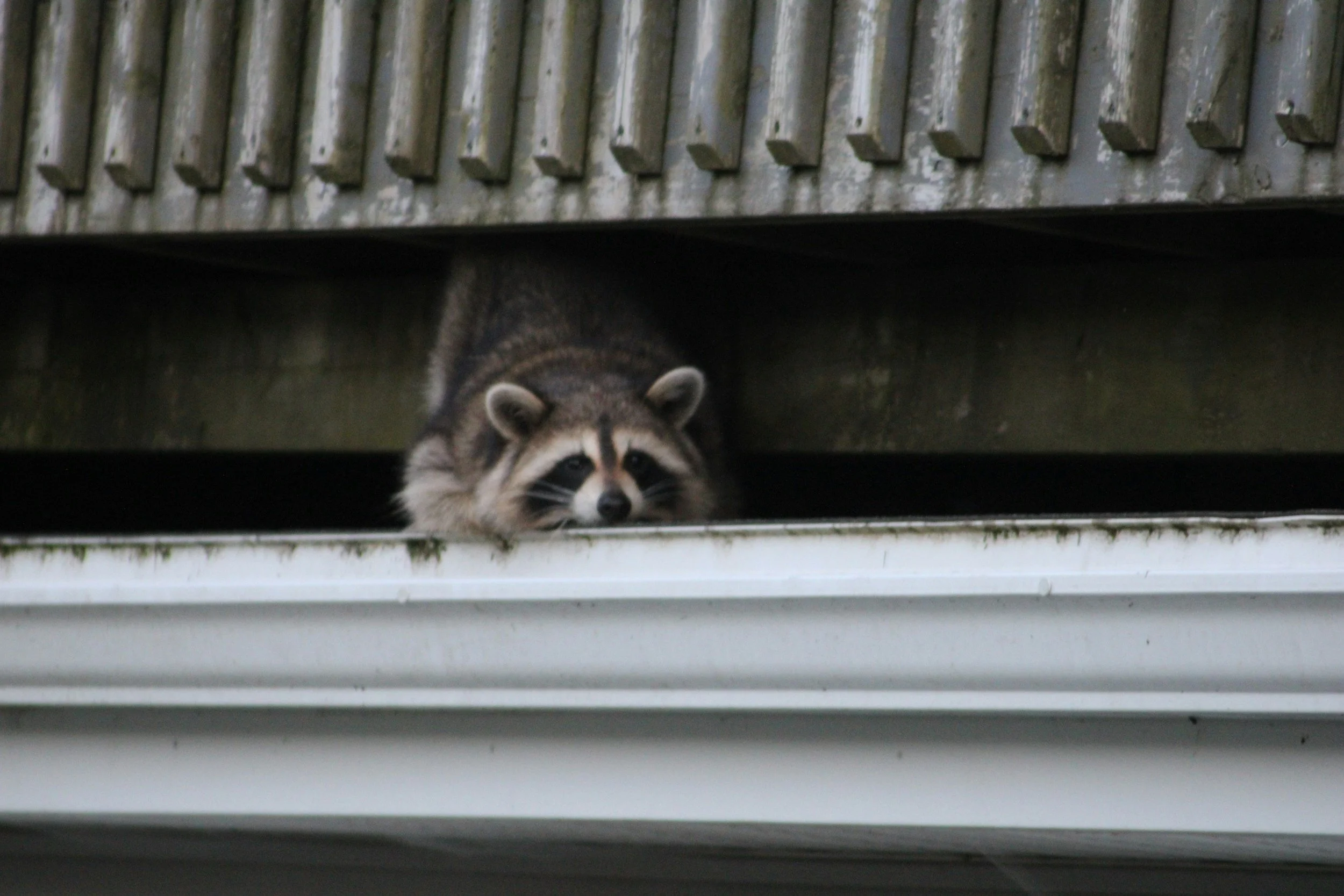
Raccoons in Winter:
When winter temperatures drop, raccoons don’t disappear — they get closer to your home. Cold weather pushes raccoons to seek warmth, shelter, and reliable food sources, which is why homeowners often discover raccoons in attics, garages, sheds, crawl spaces, and chimneys during the winter months.
Understanding raccoon behavior in winter, and knowing how to remove and prevent them safely can help protect your property from costly damage and health risks.
Do Raccoons Hibernate in the Winter?
Unlike bears, raccoons do not truly hibernate. Instead, they enter periods of inactivity during extreme cold, often staying inside their den for days or weeks at a time. Unfortunately, many raccoons choose man-made structures as winter dens because they provide:
Warmth and insulation
Protection from predators
Easy access to food
Safe nesting areas for females
This is why winter is one of the most common times to find a raccoon in your home.
Common Places Raccoons Invade During Winter
Raccoons are strong, intelligent, and excellent climbers. During winter, they frequently break into:
Attics (through roof vents, soffits, or loose shingles)
Garages (especially detached or rarely used garages)
Sheds and outbuildings
Crawl spaces
Chimneys
Under decks and porches
Once inside, raccoons can cause extensive damage by tearing insulation, chewing wiring, breaking wood, and contaminating areas with urine and feces.
Signs You Have Raccoons in Your Home During Winter
Some common signs of a winter raccoon problem include:
Heavy thumping or scratching noises, especially at night
Visible damage to roof vents or soffits
Strong ammonia-like odors from raccoon urine
Droppings in attics, garages, or around entry points
Snow disturbed around the foundation or roof
If you notice these signs, it’s important to act quickly. Raccoons that settle in during winter are less likely to leave on their own.
Why DIY Raccoon Removal Is Risky in Winter
Attempting to remove raccoons yourself can be dangerous, especially in winter when they are more defensive. Raccoons may:
Become aggressive if cornered
Carry diseases such as rabies and roundworm
Cause further damage if improperly excluded
In late winter, leave behind babies if removal is done incorrectly
Sealing entry points without professional removal can trap raccoons inside, leading to severe property damage and unpleasant odors.
Professional Raccoon Removal Services
A licensed wildlife removal professional uses humane and effective raccoon control methods, including:
Safe eviction techniques designed for winter conditions
One-way exclusion devices
Inspection of all potential entry points
Humane handling of raccoon families
Full removal without harming the animals
Professional raccoon removal ensures the animals are safely removed while protecting your home from further damage.
Preventing Raccoons From Returning in Winter
Raccoon prevention is just as important as removal. Effective raccoon-proofing includes:
Sealing roof vents, soffits, and fascia boards
Installing chimney caps
Reinforcing garage and shed doors
Securing crawl space openings
Removing food attractants like garbage and pet food
Installing wildlife exclusion barriers
A comprehensive prevention plan stops raccoons from re-entering and protects your home year-round.
Why Winter Raccoon Removal Shouldn’t Be Delayed
Winter raccoon infestations tend to worsen over time. The longer raccoons remain inside your home, the more damage they cause — especially to insulation and structural components. Prompt action can prevent:
Expensive repairs
Health hazards
Ongoing infestations
Repeat raccoon activity year after year
Call a Wildlife Removal Expert for Winter Raccoon Problems
If you suspect raccoons in your attic, garage, shed, or home this winter, professional help is the safest and most effective solution. Experienced wildlife removal specialists understand raccoon behavior and know how to remove and prevent them humanely and permanently.
Don’t wait for spring — protect your home from winter raccoon damage today.