Ants in Your Home: Common Ontario Ant Species, Damage Risks, and How to Prevent an Infestation
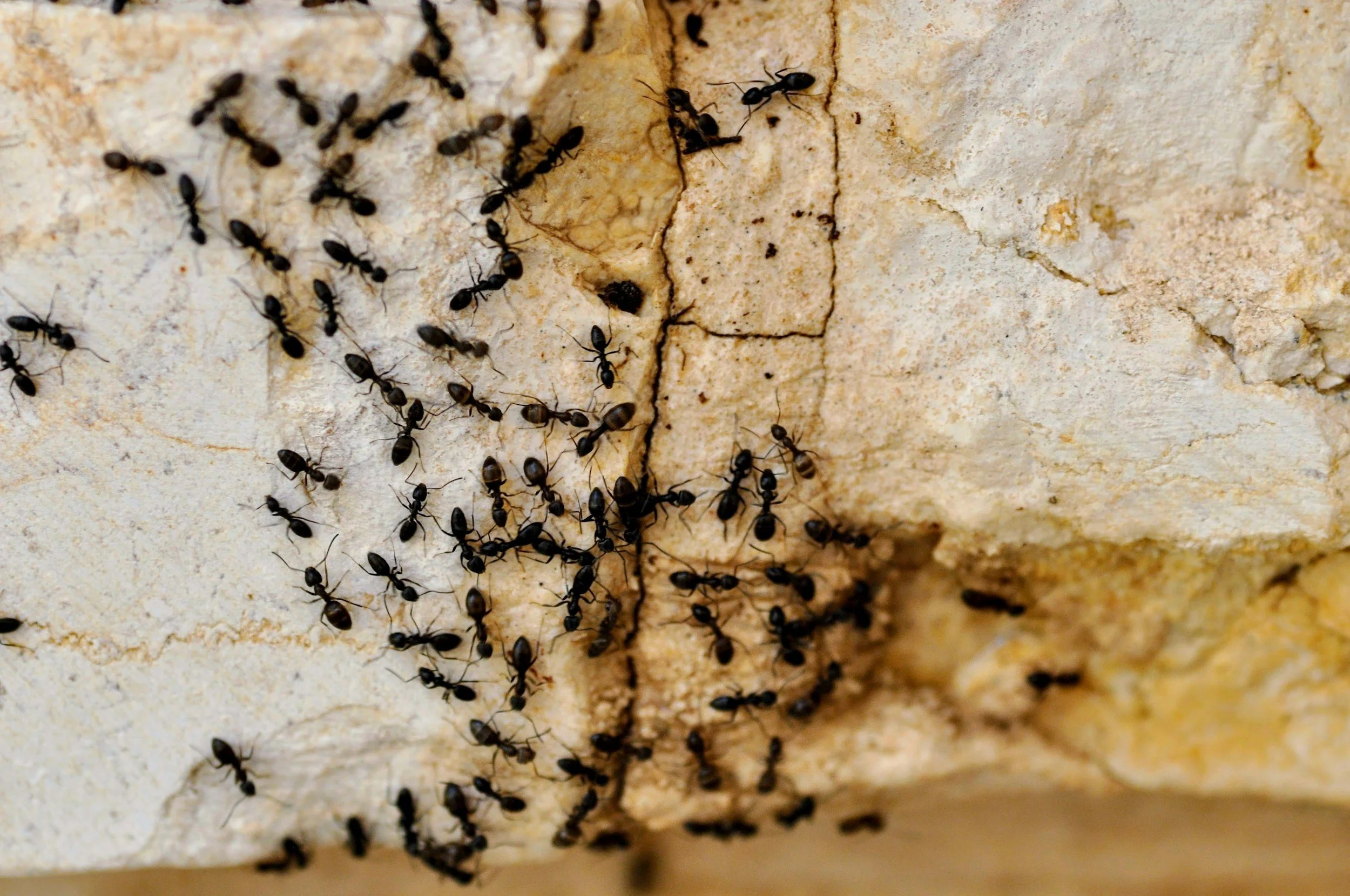
Finding ants inside your home can be frustrating. While a few ants in the kitchen may seem like a minor nuisance, an ant infestation can quickly become a larger problem. Some species are simply looking for food, while others can damage your home’s structure and indicate hidden moisture issues.
Ontario homeowners commonly deal with several types of ants, including pavement ants, odorous house ants, and carpenter ants. Understanding the type of ant you have is the first step toward effective prevention and removal.
Why Are Ants Coming Into Your Home?
Ants enter homes for a few main reasons:
Searching for food sources such as sugar, crumbs, pet food, and garbage
Looking for water, especially during dry weather
Seeking shelter from extreme temperatures
Establishing nests in wall voids, insulation, soil, or damaged wood
Ants are social insects that live in colonies. When you see a line of ants moving through your home, they are usually following a scent trail created by worker ants. Once one ant discovers a food or water source, others will follow.
The Most Common Ants Found in Ontario Homes
Carpenter Ants
Carpenter ants are one of the most concerning ants found in Ontario homes. Unlike termites, carpenter ants do not eat wood, but they tunnel through it to create nesting galleries. Over time, these tunnels can weaken damaged or moisture-affected wood.
Carpenter ants are commonly found in:
Moist or rotting wood
Window and door frames
Roof areas
Wall voids
Tree branches touching the home
Decks and fences
Signs of carpenter ants include:
Large black ants inside your home
Small piles of sawdust-like material (called frass)
Ant activity near windows, doors, or damp areas
Rustling sounds inside walls (in severe cases)
Carpenter ants are most active in spring and summer, making warmer months the ideal time for homeowners to inspect their properties.
Odorous House Ants
Odorous house ants are one of the most common indoor ants in Ontario. They are small, usually dark brown or black, and are often found travelling in long trails.
They are attracted to:
Sweet foods
Spilled drinks
Kitchen counters
Pet food bowls
Garbage areas
These ants get their name from the unpleasant smell they release when crushed, often described as a rotten coconut-like odor.
Although they typically do not cause structural damage, odorous house ants can quickly become a persistent indoor pest problem because colonies may contain thousands of ants.
Pavement Ants
Pavement ants commonly nest outdoors under:
Driveways
Sidewalks
Patios
Foundation cracks
Concrete slabs
They often enter homes through small cracks and gaps in foundations, doors, and windows.
Pavement ants are usually attracted to food sources indoors and are commonly seen in kitchens, bathrooms, and basements.
Pharaoh Ants
Pharaoh ants are small yellowish or light brown ants that are less common in typical homes but can be challenging to eliminate. They are often found in warm indoor environments such as:
Apartments
Commercial buildings
Healthcare facilities
Pharaoh ants can create multiple colonies, making improper treatment methods ineffective and sometimes causing the infestation to spread.
The Most Destructive Ant in Ontario: Carpenter Ants
While most ants are considered a nuisance, carpenter ants are the species homeowners should take most seriously.
Carpenter ants prefer damp or damaged wood because it is easier to tunnel through. They often indicate an underlying moisture problem such as:
Leaking roofs
Poor drainage
Damaged siding
Plumbing leaks
Rotting exterior wood
A carpenter ant infestation does not usually destroy a home as quickly as termites, but years of tunnelling can contribute to structural deterioration if left untreated.
How to Prevent Ants Around Your Home
The best way to deal with ants is to prevent them from entering in the first place.
1. Seal Entry Points
Inspect your home’s exterior and seal:
Foundation cracks
Gaps around windows and doors
Openings around utility lines
Spaces under siding
Ants can enter through extremely small openings, so regular exterior inspections are important.
2. Remove Food Sources
Keep ants from being attracted to your home by:
Cleaning spills immediately
Storing food in sealed containers
Keeping countertops clean
Emptying garbage regularly
Cleaning pet food areas
Even small amounts of sugar or grease can attract large numbers of ants.
3. Control Moisture Around Your Home
Moisture attracts many ant species, especially carpenter ants.
Homeowners should:
Repair leaks quickly
Keep gutters clean
Direct downspouts away from the foundation
Remove standing water
Replace damaged wood
Reducing moisture makes your home less attractive for nesting.
4. Maintain Your Landscaping
Outdoor conditions can contribute to indoor ant problems.
Consider:
Keeping tree branches and shrubs away from the house
Removing old stumps and decaying wood
Keeping mulch away from the foundation
Storing firewood away from exterior walls
How to Get Rid of Ants in Your Home
Identify the Ant Species First
Different ants require different treatment methods. Spraying visible ants may kill workers but often does not eliminate the colony.
The colony, queen, and nesting areas must be addressed for long-term control.
Use Ant Baits Carefully
Ant baits can be effective because worker ants carry the bait back to the colony. However:
Avoid spraying ants that are actively taking bait
Place baits near trails and entry points
Give the bait time to work
Keep in mind that retail baits may not be effective enough. The benefit of an exterminator is licensed access to higher quality bait.
Clean and Remove Trails
Ants rely on scent trails to navigate. Cleaning areas where ants travel can reduce activity.
Use:
Soap and water
Household cleaners
Vinegar solutions
This removes the pheromone trails that guide other ants.
When to Call a Professional Pest Control Company
Professional treatment may be necessary when:
Ants continue returning after DIY treatments
Carpenter ants are found inside
There are signs of damage to wood
The nest cannot be located
Ant activity is widespread
A professional can identify the species, locate nesting areas, and develop a treatment plan designed for the specific infestation.
Protect Your Ontario Home From Ant Infestations
Ants may be small, but they can create significant problems for homeowners. From nuisance species like odorous house ants to potentially damaging carpenter ants, early identification and prevention are key.
Regular home inspections, moisture control, sealing entry points, and proper treatment methods can help keep ants outside where they belong.
If you are dealing with persistent ants in your home, especially carpenter ants, addressing the problem early can help prevent larger issues and protect your property.